Hearing protection in South Africa
Making the right choice is essential
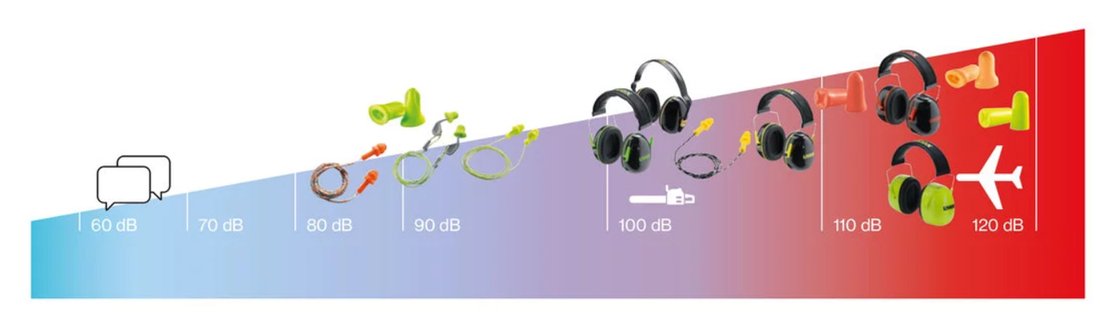
There are many types of hearing protection in South Africa which are suitable for different situations and if you work in or are passing through high-noise level areas you need the right level of protection. It is important to strike the right balance between the need to adequately protect your hearing from dangerous noise while not compromising your ability to hear and communicate. The below chart gives you an overview of which uvex earplug may be suitable based on the noise level.
How do I find the right hearing protection?

How much noise is too much noise?
We are exposed to noise every day, some of which has the potential to damage our hearing. Hearing loss develops gradually and painlessly which is why we tend not to notice it until it is too late.
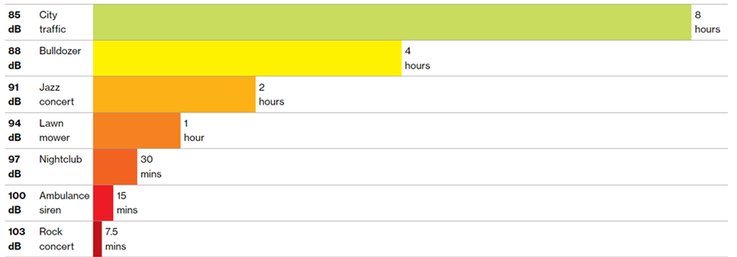
It is essential to protect our ears from harmful levels of noise, but how do we know what is a “harmful level”? The maximum periods of time a person should be exposed to harmful noise per day without hearing protection can be surprising.
What level of noise protection is required?
The short answer: Noise Level – Noise Reduction (SNR) = Residual Noise Level
Each hearing protector is tested to determine its individual level of noise reduction when fitted correctly. Each protector has an SNR which is an abbreviation for Single Number Rating. The higher the SNR value of a hearing protection product, the higher the noise insulation provided.
To find out the protection figure required, the noise levels of the workplace must first be established. This is the calculated figure for the amount of potential protection the protector can provide when fitted correctly. For this, the noise levels need to be measured to determine the daily exposure levels, as well as any maximum or peak noises that might have an impact. A noise map is then established and then the required protection can be determined using the SNR method.
The objective when choosing suitable hearing protection is to achieve an effective residual noise level of between 70 dB and 75 dB for the wearer. If the protection provided is too high (over-protection) this can result in the inability to communicate and the risk of not hearing critical messages, instructions or signals.
Example: Noise level 100 dB — uvex xact-fit, SNR 26 dB = 74 dB
Standards explained – What do NRR and SNR mean?
When choosing hearing protection, you’ll often see NRR or SNR ratings. Both are simply measures of how much noise the product can block out. See below table:
| SNR | NRR | |
|---|---|---|
| Abbreviation | Single Number Rating | Noise Reduction Rating |
| Region | All European countries and many other regions of the world including South Africa | American OSHA / NIOSH |
| Standard | EN352 | EPA 40 CFR 211 (based on ANSI S3.19 1974) |
| Local Standard | SANS 50352 | Not recognised by SABS / SANS |
| Calculation | Protected level = Ambient Noise - SNR | Protected Level = Ambient Noise - ((NRR - 7) / 2) |
| Application | Realistic work conditions | Laboratory / Ideal conditions |
| Weighting | C-Weighted dBC | A-Weighting dBA |
| De-rating calculations | Earmuffs, reusables and banded: -5 Foam Disposables: -9 Customised: -3 | Earmuffs: NRR × 0.75 Foam earplugs: NRR × 0.50 Re-usable plugs: NRR × 0.30 |
| Conversion Between Systems | No direct conversion possible. |
Handling earplugs for hearing protection
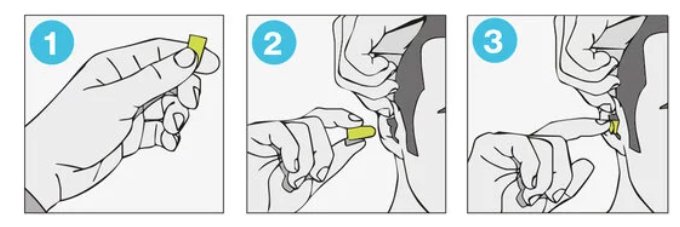
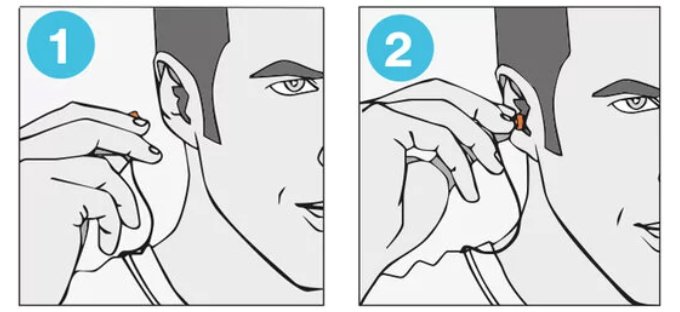
To guarantee optimum hearing protection, uvex disposable hearing protection plugs must be used correctly.
disposable hearing protection plugs
reusable ear plugs
(1) Briefly roll down uvex disposable hearing protection plugs.
(2) Put your arm over your head and move the ear slightly upwards to straighten your auditory canal. This achieves a better fit.
(3) Insert plugs and hold them in place while they expand. If they are not visible from the front, then they are in the right position.
(1) Take uvex reusable earplugs by the handles and place the cord around your neck.
(2) Insert uvex ear plugs into the auditory canal, applying gentle pressure.
In dirty working environments, particles can easily stick to the surface of materials and cause minor injuries in the ears.
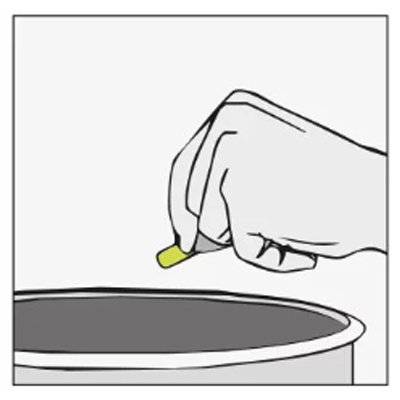
disposable hearing protection plugs
Please dispose of uvex disposable hearing protection plugs after each use.
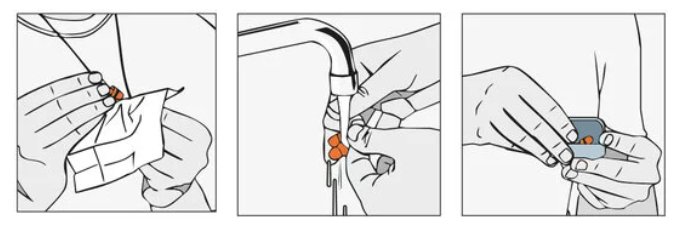
reusable ear plugs
(1) Easy to clean with uvex damp cleaning cloth.
(2) Alternatively, clean them with water and mild soap.
(3) Dry them and store in the uvex hygiene box when not in use.
disposable hearing protection plugs
reusable ear plugs

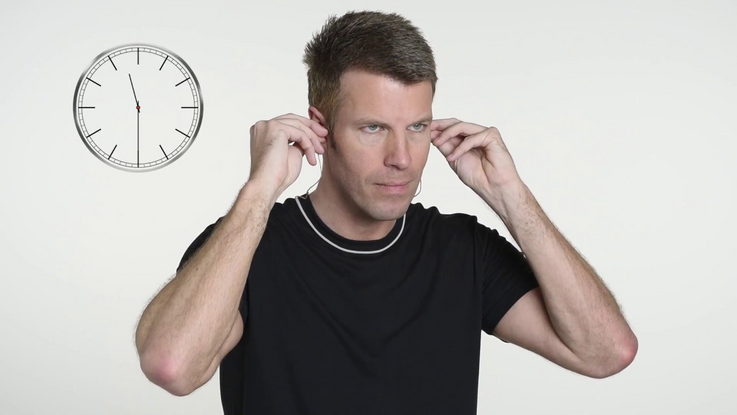
Hearing loss is 100% preventable
The risk of noise-induced hearing loss can be significantly reduced through the proper selection and use of hearing protection. Contrary to popular belief, hearing loss is inevitable - it can be prevented by identyfing the exposure level, reducing the risk of harmful noise levels at source, or by wearing adequate and suitable hearing protection which has been correctly fitted.
uvex disposable
With patented x-grip shaping for easy and safe removal.
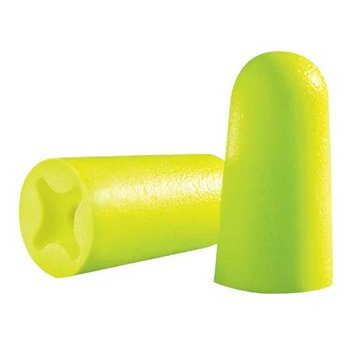
uvex x-fit
SNR 37 db
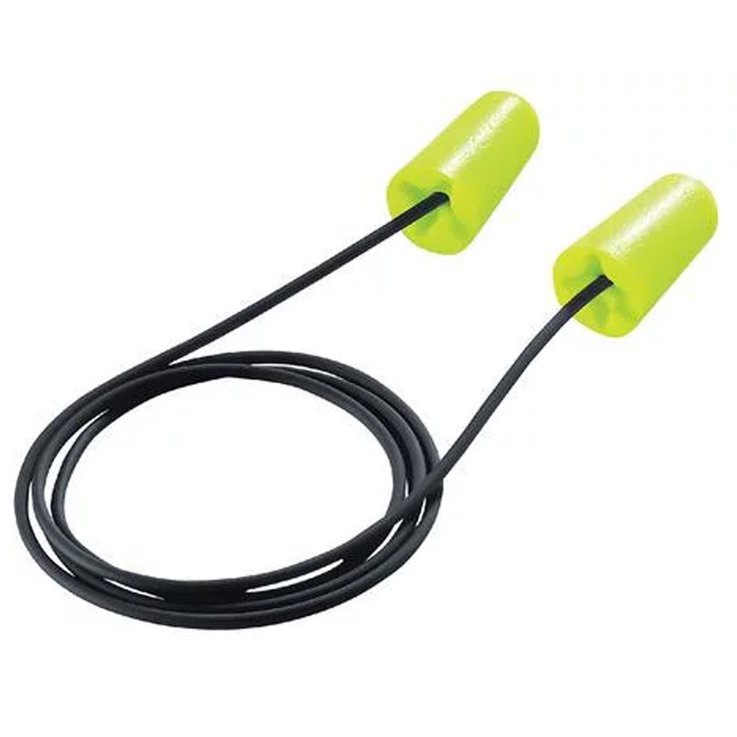
uvex x- fit
SNR 37 db
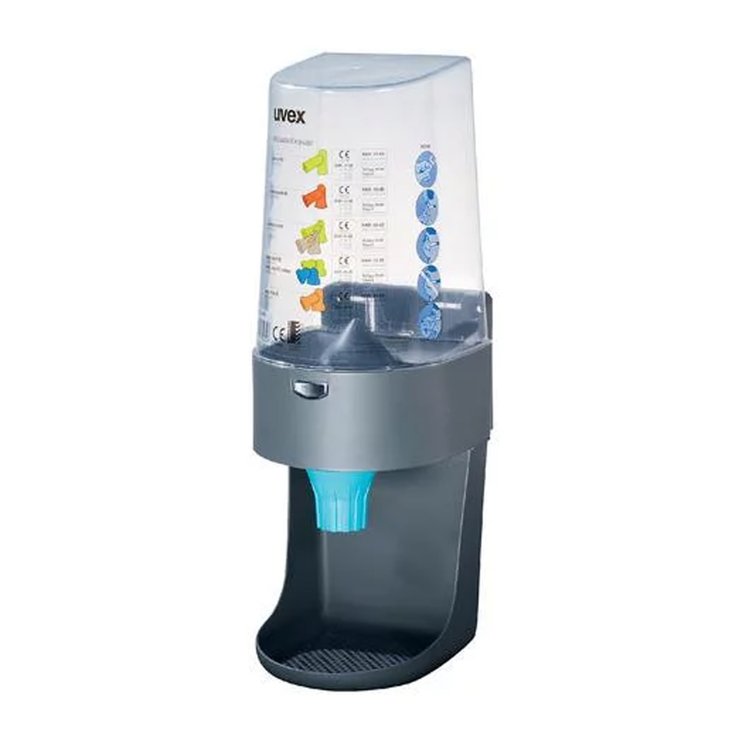
uvex dispenser
‘’one2click’’
uvex reusable
Conveniently designed to be cleaned easily.
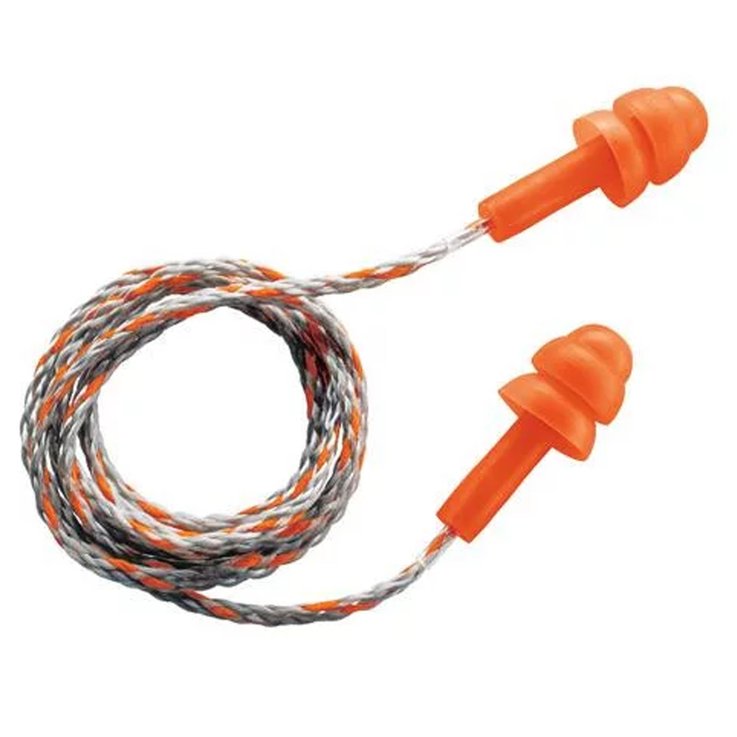
uvex whisper
SNR 29 db
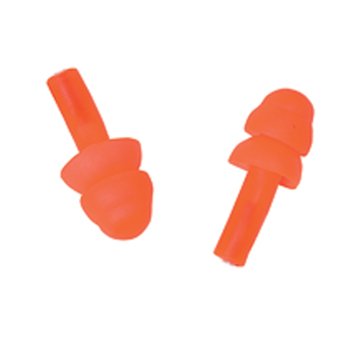
uvex whisper
SNR 29 db
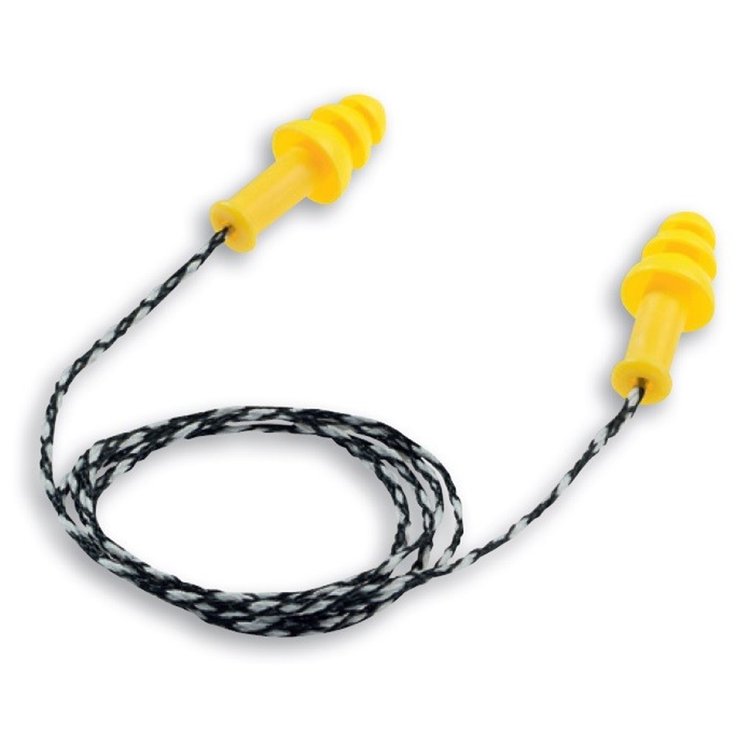
uvex whisper supreme
30 db
Detectable earmuffs
Metal free, lightweight and 360° rotation.
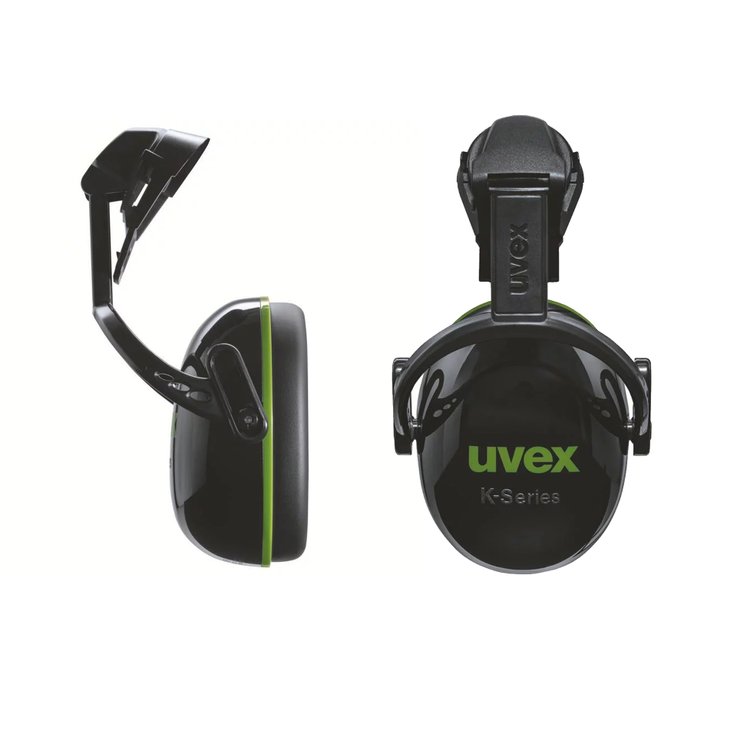
uvex K10H
SNR 28 db
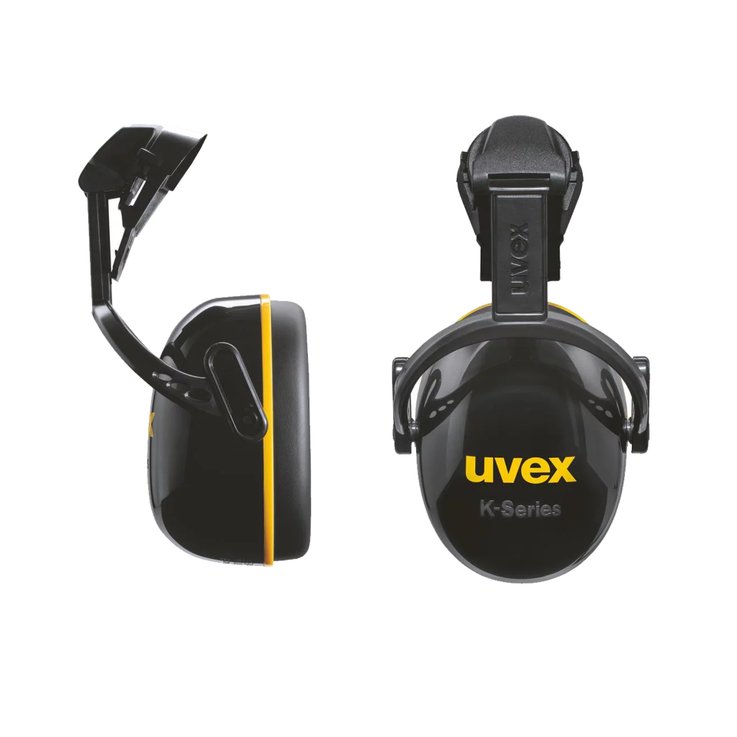
uvex K20H
SNR 30 db
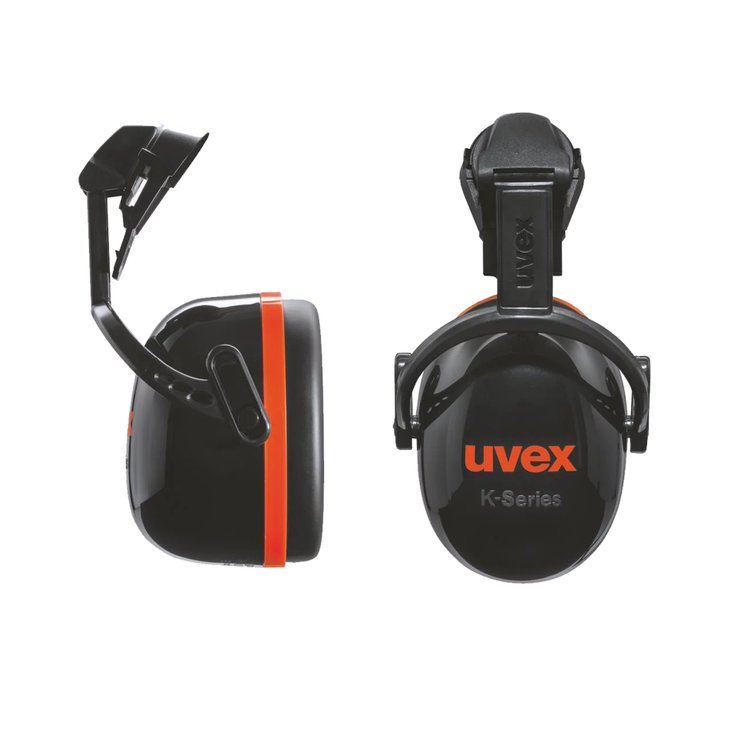
uvex K30H
SNR 34 db
Earmuffs
Sort memory foam cushions for extra comfort and lightweight, balanced designs.
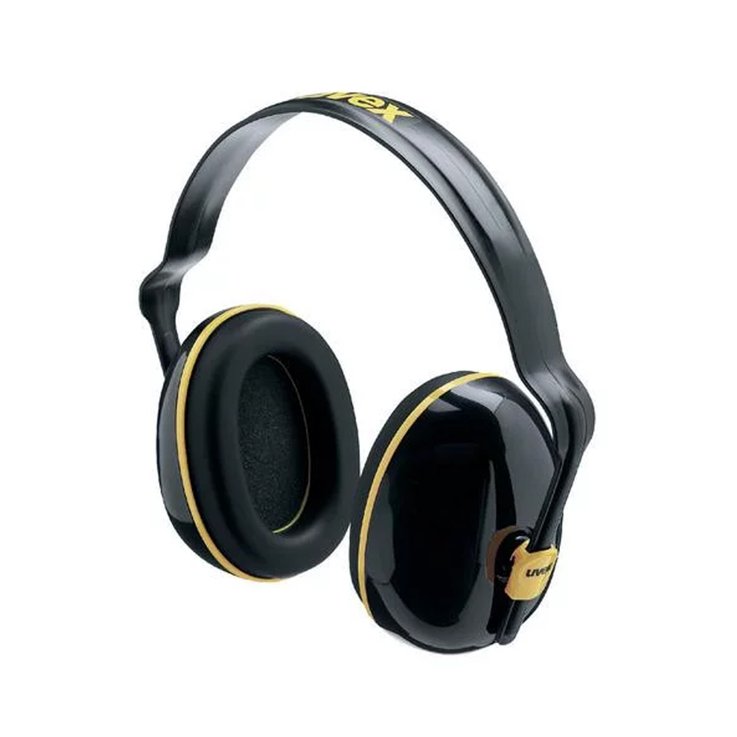
uvex K200
SNR 28 db
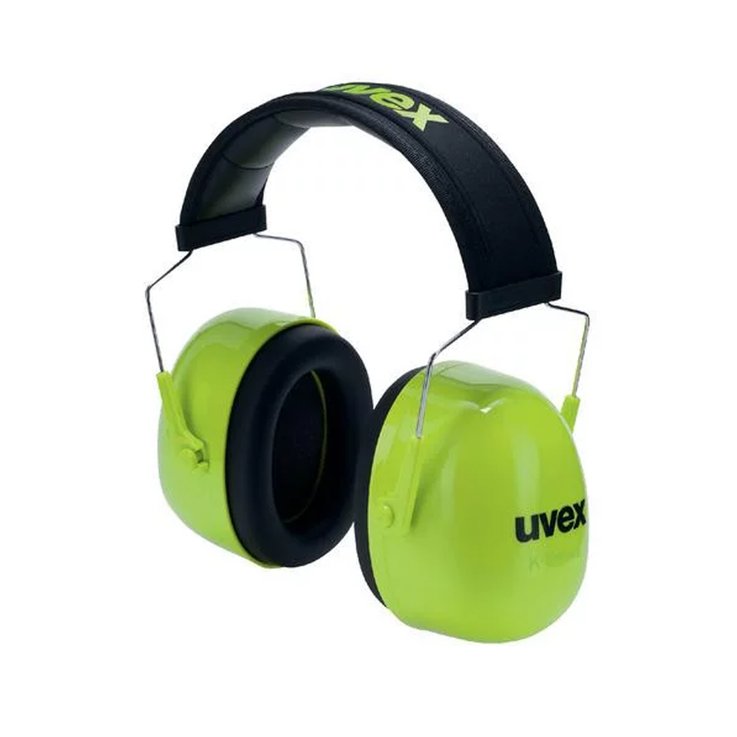
uvex K4
35 db
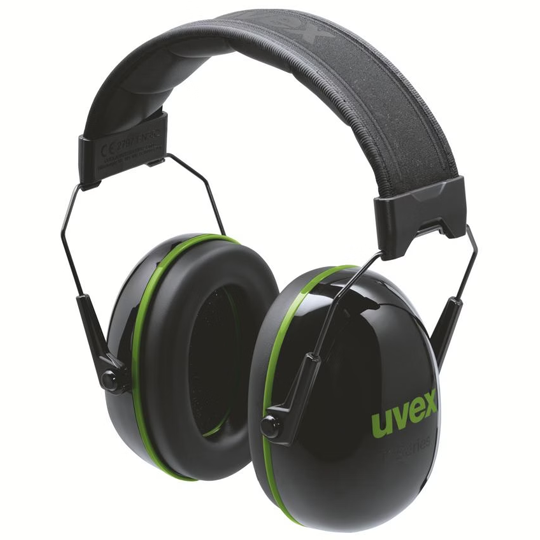
uvex K10
SNR 28 db
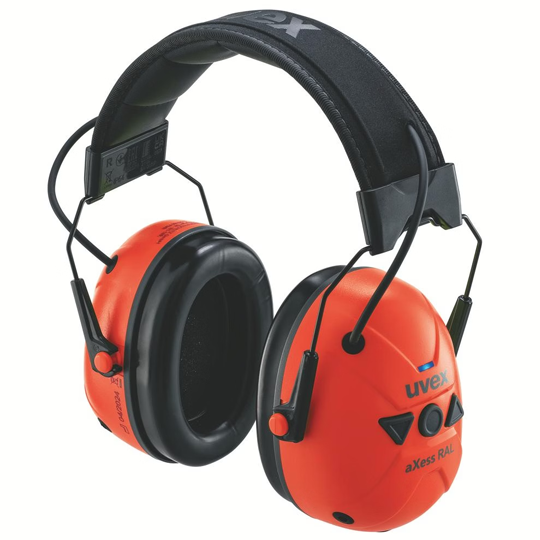
uvex aXess
RAL
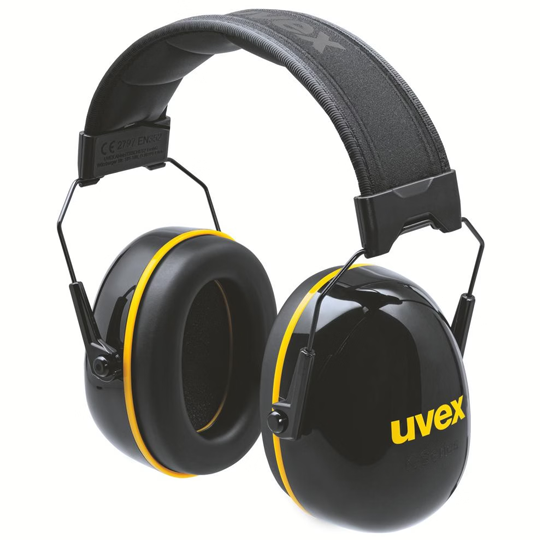
uvex K20
SNR 32 db
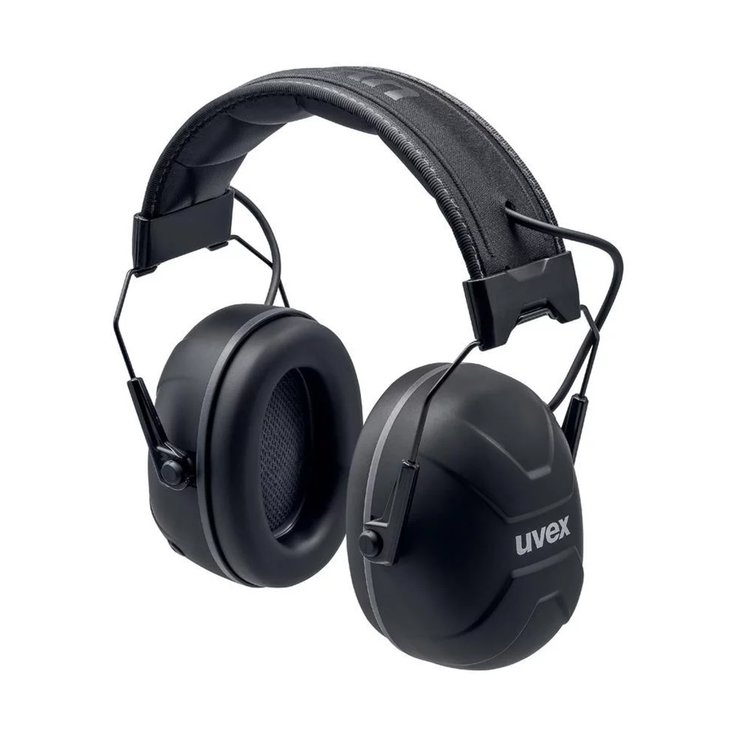
uvex aXess one
SNR 31 db
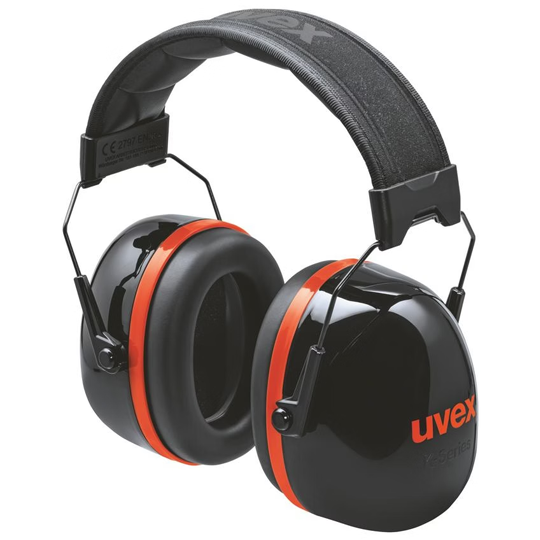
uvex K30
SNR 33 db
uvex X-change product series video featuring the uvex aXess one
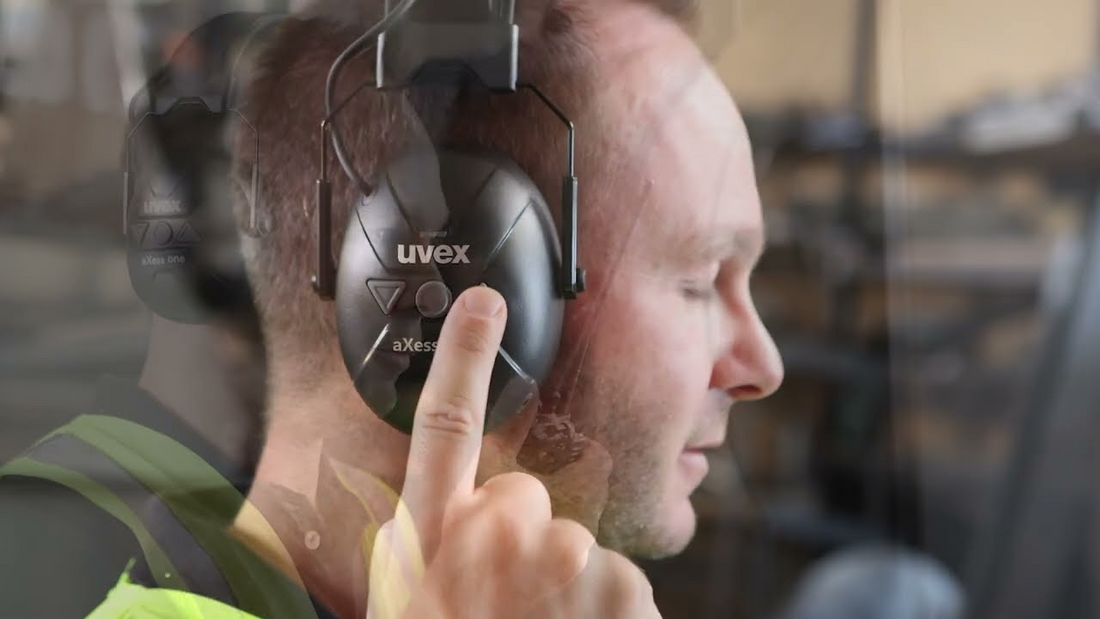
Your complete How-To guide for getting started with the uvex aXess one
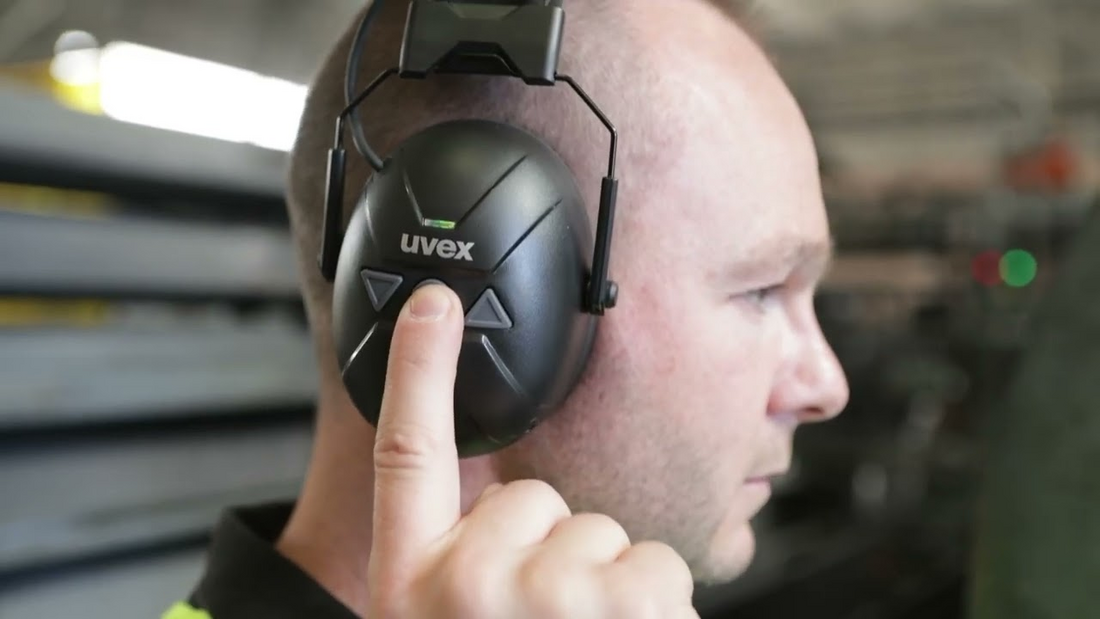
Learn more about Noise Induced Hearing Loss and how you can help prevent it.
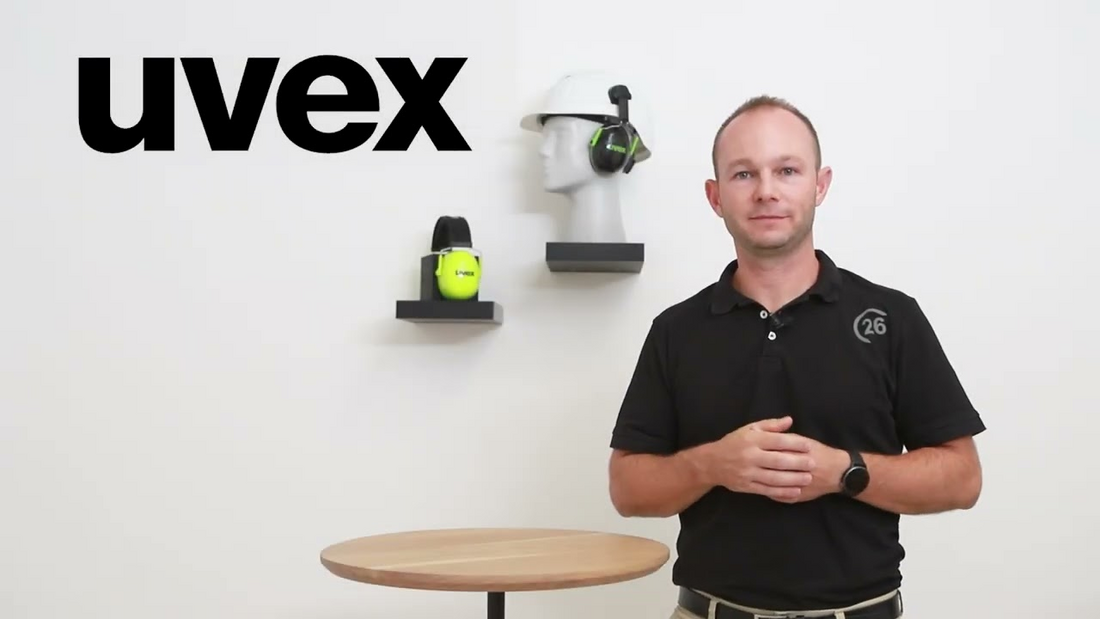
uvex xact-fit test
Hearing protection fit-testing system
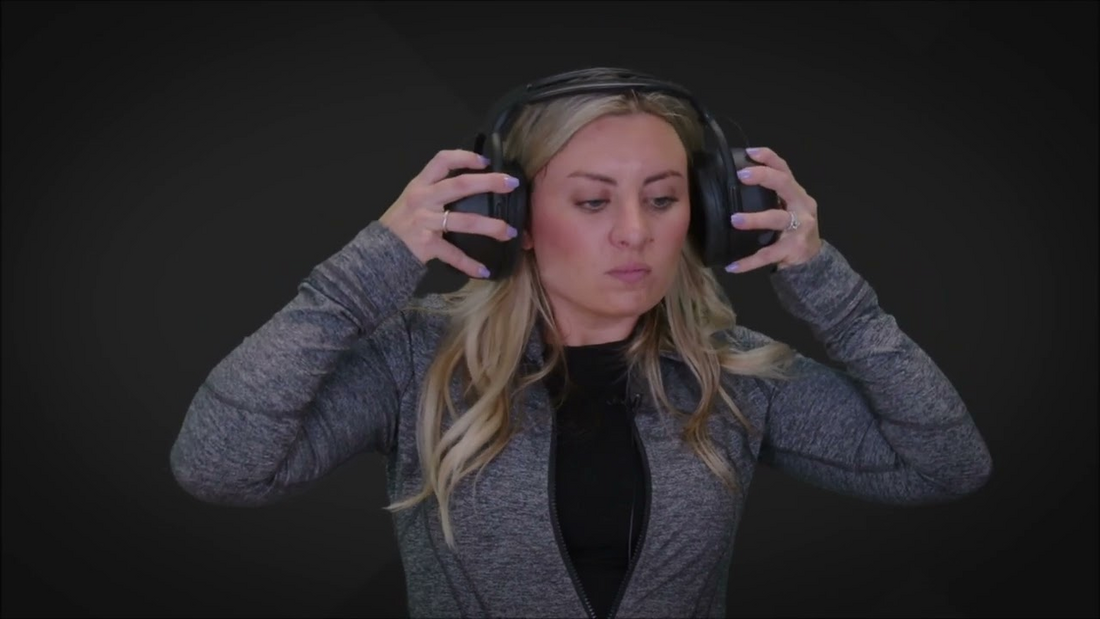
When providing PPE, the correct size and fit are a requirement to comply with WHS Regulations. Without a hearing protection fit-testing system, the actual noise attenuation received while wearing earplugs remains unknown. This leaves workers at risk of over-exposure and under-exposure to noise and employers at risk of failing to provide adequate hearing protection for workers.
The uvex xact-fit test hearing protection fit-test system has been designed to produce results that depict the real attenuation received by workers while wearing earplugs quickly and easily. The open system allows you to test almost any earplug in the market. The cloud-based software and wireless headset allow the system to be portable.
Why uvex xact-fit test?
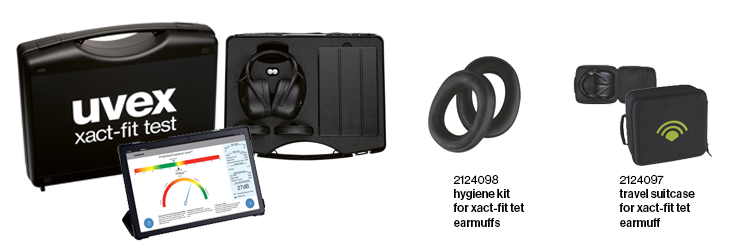

Open System
- Can test most earplugs on the market
- No modifications to the earplugs necessary
- Uses Real Ear Attenuation at Threshold (REAT) method

Portable and wireless
- Bluetooth connectivity allows a test to be set up anywhere an internet connection is available
- Provides ability to carry out on-the-spot fit-tests on workers

Quick test results
- Tests both ear at the same time without compromising on accuracy
- Total test time of 2 to 5 minutes per person

Cloud - based software
- Receive regular software updates quickly and easily
- Automatic upload of information and results

Easy to use
- Simple to operate
- uvex will provide onboarding training and ongoing support to customers as needed
Next steps
If you have any questions regarding hearing protection, contact your local uvex representative who will be happy to help:
Related posts
Why Is Noise-Induced Hearing Loss So Common
Employers’ guide to effective hearing protection